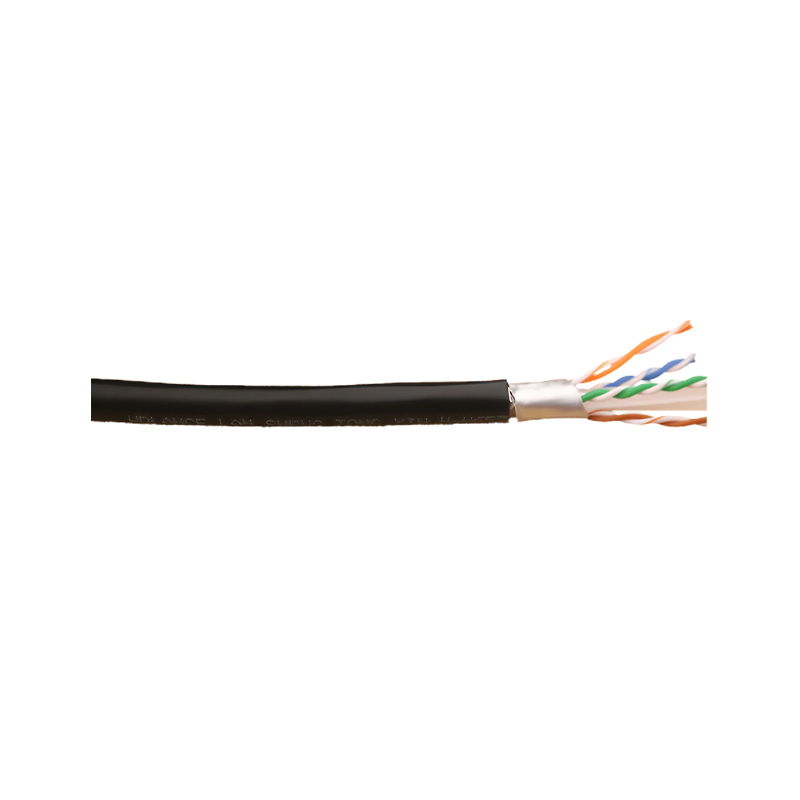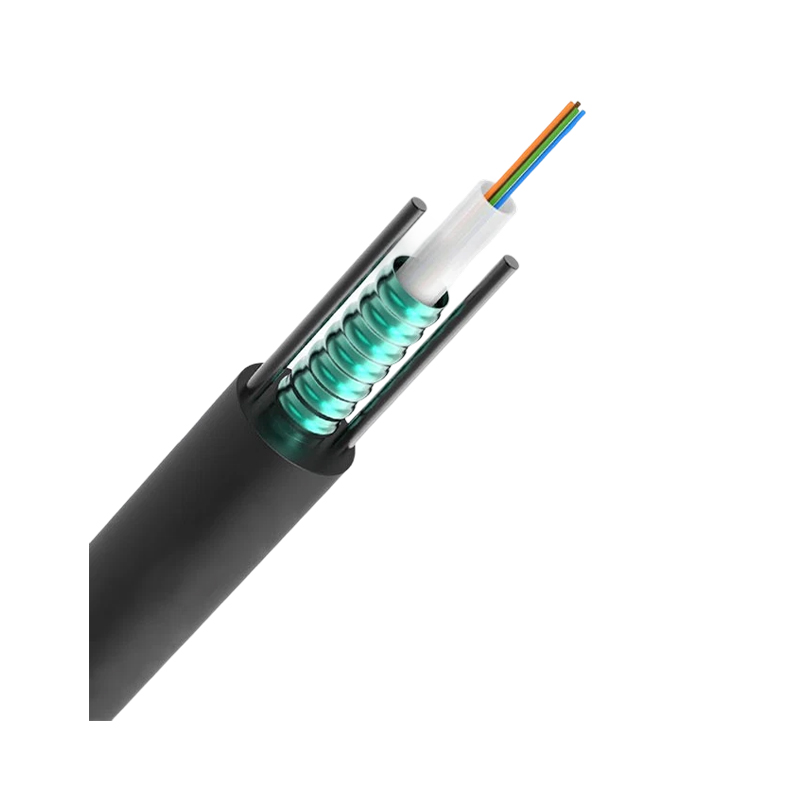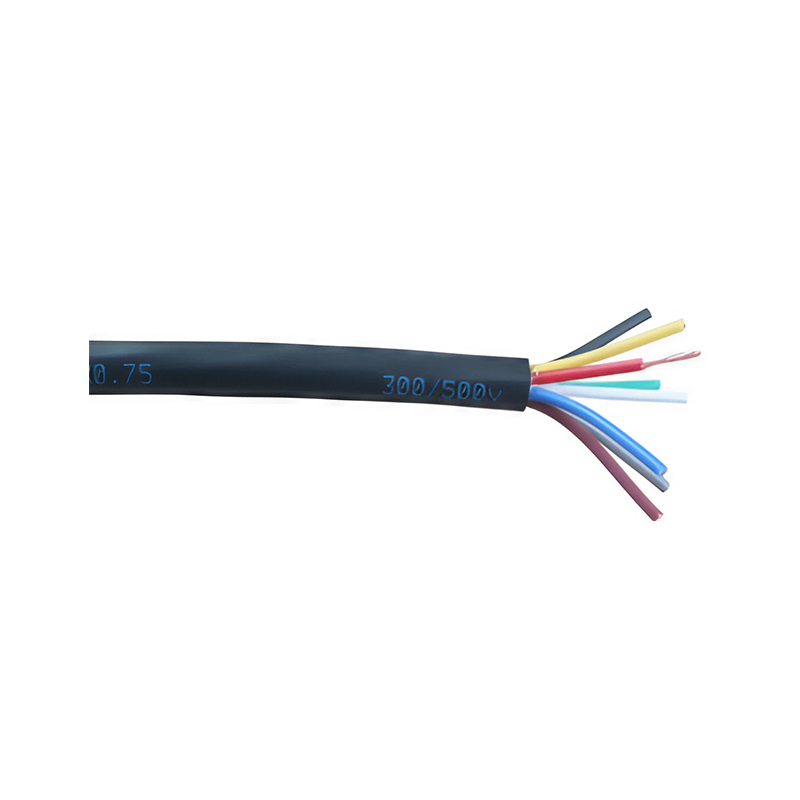

In modern buildings and intelligent systems, cables act like invisible neural networks, silently connecting every terminal, from home lighting to industrial control, from security alarms to building intercoms.
At low frequencies, conductor losses typically dominate, while dielectric losses and radiation losses have relatively minor effects.
Welding loss is a typical example, and its occurrence is closely related to factors such as axial misalignment, shaft tilt, end face separation, and incomplete end face.
Especially in data centers, industrial automation, and emerging technology fields, the high-speed characteristics of integrated cables have become a key support.
In modern high-speed network infrastructure, cable crystal heads, though small in size, are key nodes determining data transmission performance.
With the increasing complexity of modern electronic systems, the stability and accuracy of signal transmission have become key indicators of device performance.